Work together without becoming one company. PCC’s thesis is that agents and competitive capability markets can remove coordination overhead that would otherwise be repeated across organizations. Independent owners can then combine their work into complete production systems. That creates room for customers to pay less and productive contributors to earn more. Existing companies can participate too: the competitive advantage comes from better coordination and execution, not from requiring a particular ownership structure.
Where that advantage is demonstrated, arrangements that depend on avoidable overhead or restrictive dependencies face pressure to adapt.
Lower costs for customers · higher earnings for operators · more productive assets · competition at every layer
Hubs, not scattered factories.
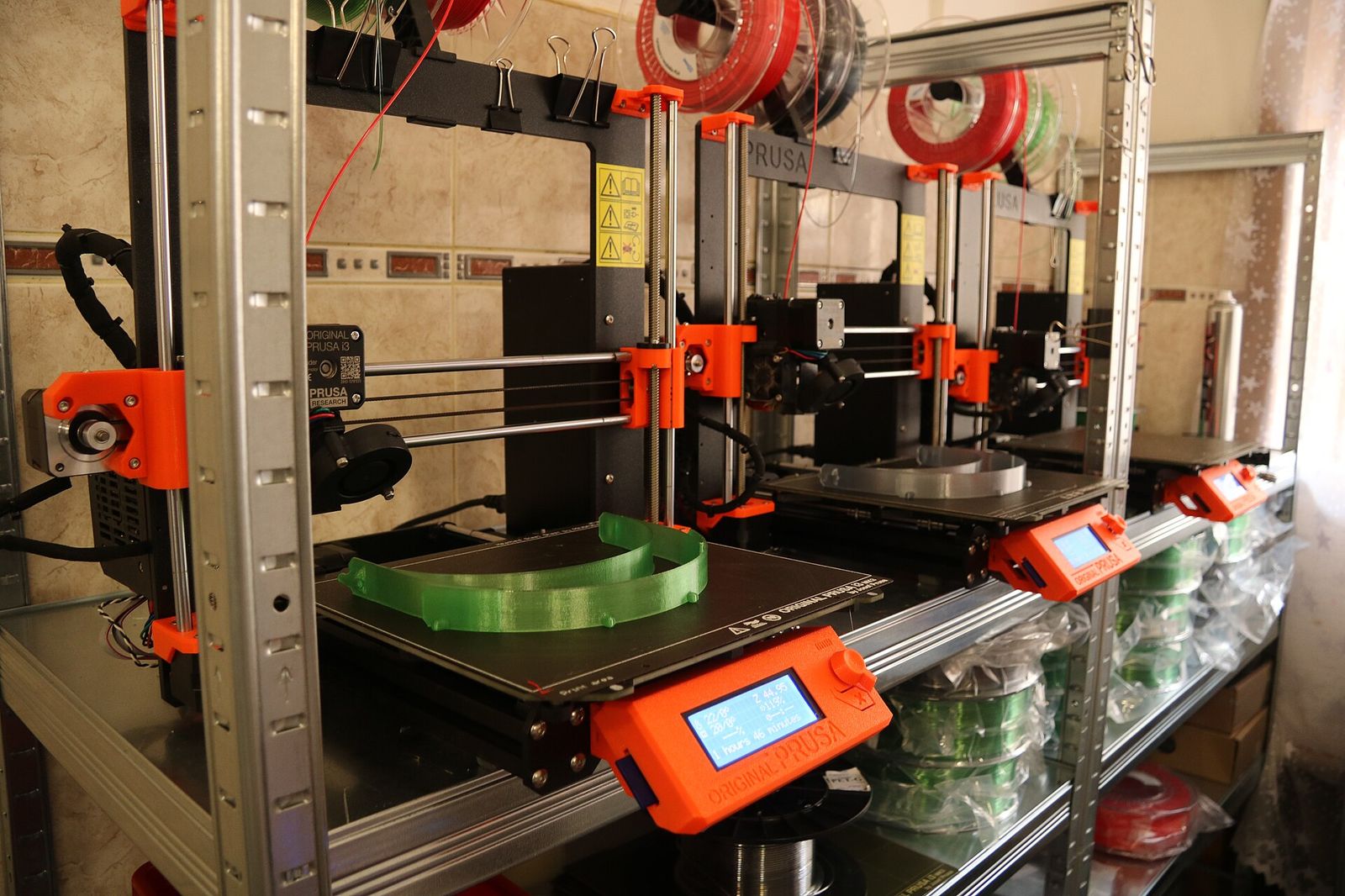
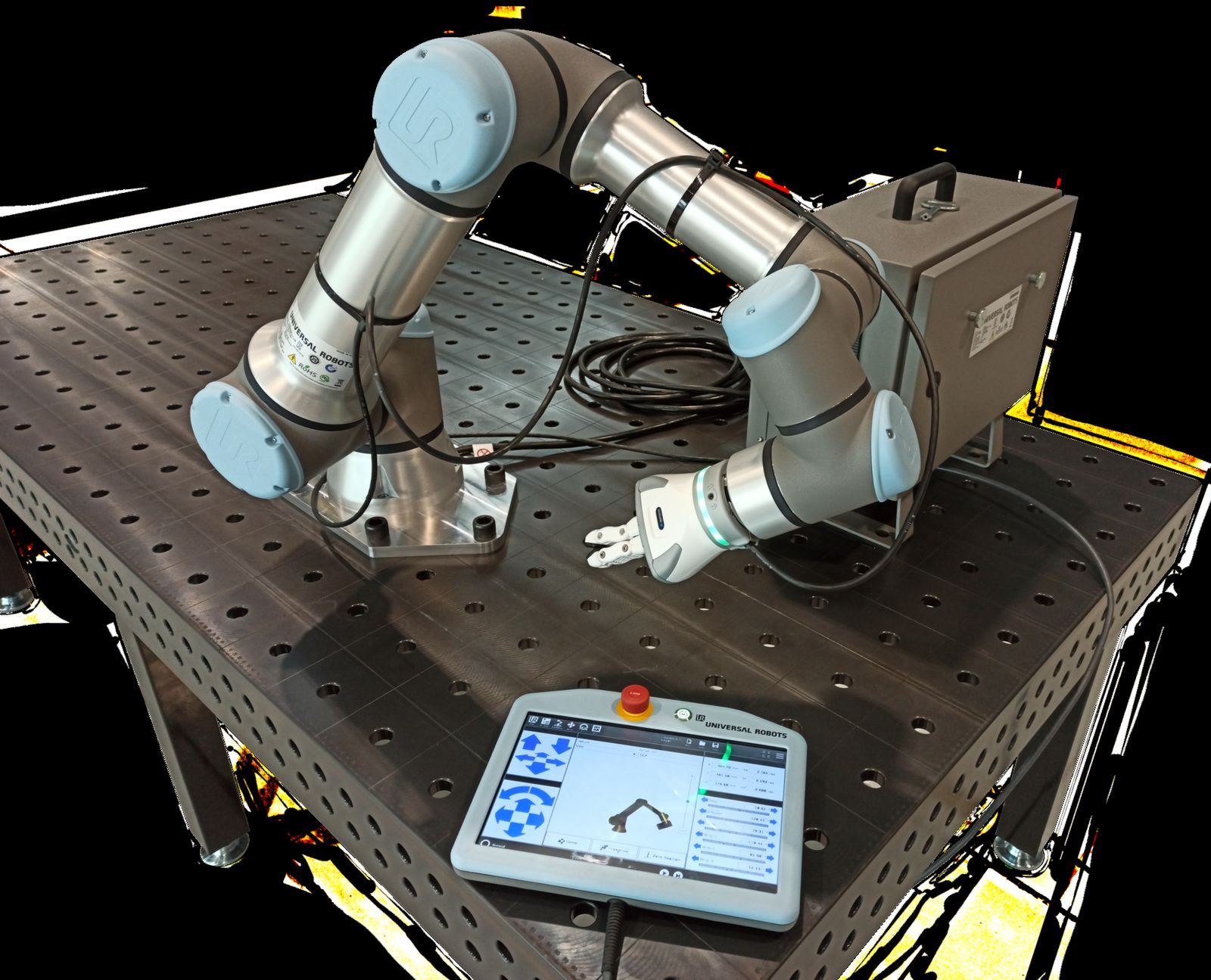
Independent ownership is not dispersed factories. Its strongest form is a hub: independently owned CNC machines, robot arms, printers and metrology under one roof, sharing utilities, materials handling, logistics and safety, each owner competing to fulfil the network’s requests. The physical efficiency of vertical integration, without a single owner.
Contestable from the inside.
A vertically integrated company can have competitive suppliers while shielding its production decisions from the market. Here every step is a market. Independent suppliers compete on price, quality, speed and reliability; better offers improve the economics available to the services composed from them; and competition between those services is what passes improvements through the network. A better machine, process, controller or carrier can win the next order, and the system does not have to restructure for it to happen.
Inventions earn without a factory.
An engineer with a better machining process should not need to own a factory to earn from it. PCC is building toward designs, processes and software that are licensed into workflows and paid when they are used, on agreed terms, across every organization that runs them.
No gatekeeper.
Registration, discovery and interoperability stay open. The infrastructure exists so independent operators, developers, financiers and coordinators can build businesses on it.
Make it cheaper to produce, more profitable to contribute, easier to own, and impossible to capture value indefinitely without continuing to create it.
 Agents